🎯 Quick Answer
Finding the right music for short-form video content requires more than choosing a popular song. The highest-performing tracks are strategically aligned with the video’s emotional resonance, visual pacing, and algorithmic behaviors across platforms like TikTok, Reels, and YouTube Shorts.
To capture attention before a user scrolls away, successful creators prioritize five pillars:
- Audio Hook Strength: Music must trigger cognitive attention within the first 1.5 to 3 seconds.
- Visual Pacing Alignment: Syncing track tempo (BPM) with editing cuts.
- Psychological Resonance: Choosing soundtracks that amplify the visual narrative's core emotion.
- Algorithmic Optimization: Leveraging trending sound signals without diluting brand identity.
- AI-Powered Discovery: Utilizing semantic search to bypass rigid genre tags and find exact mood matches instantly.
💡 The Retaining Secret: In modern vertical video algorithms, the right background track does not just accompany the visuals—it acts as an acoustic anchor that increases average watch time, replay rates, and distribution velocity.
🧠 Why Music Dictates Retention in Short-Form Algorithms
Short-form video platforms have fundamentally re-engineered consumer attention spans. Unlike traditional horizontal media, vertical micro-content places creators in a constant battle against the "swipe-away" reflex.
Data from major social networks indicates that content optimization hinges heavily on early frame conversion and completion rates. Because the visual stream moves rapidly, audio acts as the primary sensory shortcut.
Before a viewer consciously processes a video's visual text or spoken hook, their brain decodes the background frequency. The right music instantly establishes whether a clip feels:
- Premium & Luxurious
- High-Energy & Urgent
- Relatable & Intimate
- Informative & Trustworthy
By matching audio textures to creator intent, you lower the cognitive friction of consumption, signaling immediate value to the viewer.
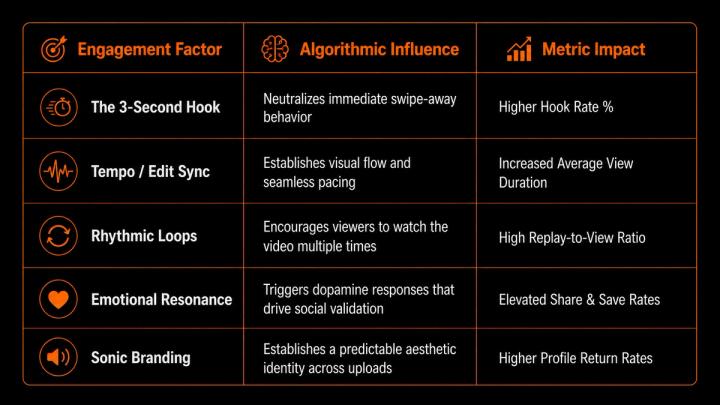
📊 The Macro Impact of Audio Selection on Video Metrics
🛠️ The Short-Form Video Audio Workflow
To achieve optimal integration, creators should approach editing with a systematic audio pipeline rather than selecting tracks as an afterthought.
1.Map the Visual Pacing to Exact BPM:
Step 1: Pacing
Analyze the velocity of your project cuts. If your video features fast transitions or rapid dynamic action, filter your library for tracks sitting between 120–150 BPM to ensure visual transients lock perfectly with the beat.
2.Target Emotional and Semantic Relevance:
Step 2: Resonance
Filter audio by psychological intent rather than standard music genres. Match luxury blogs with premium ambient textures or tech breakdowns with minimalist electronic beats.
3.Validate Commercial Licensing Safety:
Step 3: Cleared Rights
Verify that your selected audio is globally cleared for monetization or branded content. Relying purely on native consumer trends can lead to muted videos, copyright strikes, or distribution penalties.

🎬 1. Aligning Music Styles with Video Objectives
Different content goals demand entirely distinct sonic landscapes. Understanding this classification prevents stylistic mismatching.
📱 Entertainment & Cultural Commentary
- Use Cases: Challenges, reaction clips, daily lifestyle vlogs, or relatable skits.
- Audio Profile: Uptempo pop beats, synthetic basslines, and rhythmic electronic movements.
- Objective: Drive immediate dopamine responses, inspire audio replication, and maximize shares.
🎥 Narrative & Visual Storytelling
- Use Cases: Cinematic travel montages, personal transformations, or documentary-style reveals.
- Audio Profile: Neo-classical orchestration, acoustic resonance, warm strings, and ambient piano sweeps.
- Objective: Deepen empathetic connection, extend viewer immersion, and drive emotional saves.
🛒 Product Conversion & Corporate Branding
- Use Cases: Unboxing videos, software tutorials, SaaS advertisements, and brand aesthetic pieces.
- Audio Profile: Clean, lo-fi hip hop, minimal tech house, premium corporate undercurrents, and non-intrusive soundscapes.
- Objective: Project professional authority, maintain focus on the product features, and build transactional trust.
⚡ 2. The Science of Tempo: Matching BPM with Visual Velocity
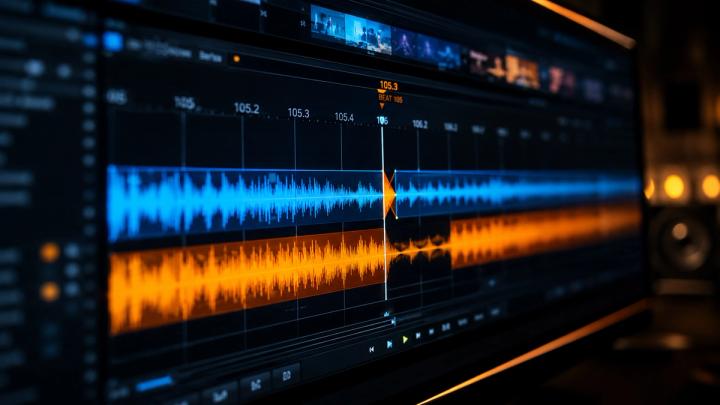
Music psychology dictates that human heart rate and emotional arousal levels naturally synchronize with audible tempos. Leveraging the correct Beats Per Minute (BPM) supports a smoother, more engaging viewing experience.
📈 Recommended BPM Distribution Matrix
- Fast Transitions / Sports / Fitness (120–150 BPM): High arousal, intense adrenaline, extreme urgency.
- Lifestyle Vlogs / Travel / GRWM (90–120 BPM): Natural human conversation pace, steady casual engagement.
- Luxury / High-End Fashion / Cinematic (60–90 BPM): Premium scarcity, prestige framing, deep emotional weight.
- Educational / Explainer / Tech Reviews (70–110 BPM): Focus optimization, low distraction, authoritative retention.
📈 Trending Audio vs. Sustainable Brand Fit
While chasing viral algorithms can spark short-term visibility spikes, sustainable channel growth requires a balanced sonic blueprint.
- Viral Audio Tracks: Offer immediate algorithm amplification, but carry high competitive noise and dilute unique brand identity.
- Original / AI-Discovered Music: Offers distinct brand recognition, clear platform licensing, and close control over the content's mood, though it requires intentional creative positioning.
The most successful digital creators combine trend awareness with a consistent sonic palette, ensuring that even when a track is unique, it aligns with their channel's macro identity.
🤖 3. How Semantic AI Search Revolutionizes Music Discovery
Manually digging through digital music catalogs can drain hours of production time. Editors frequently face the paradox of choice while trying to gauge whether a track matches their specific timeline logic.
Next-generation production eco-systems like VividSound Library are pioneering a massive industry shift. By implementing advanced semantic audio analysis, these platforms allow creators to completely bypass outdated genre tags. Instead of searching by "Rock" or "Jazz," creators use conversational, intent-driven prompts:
🔍 "Find a premium, minimalist electronic background track with low mids for a luxury watch unboxing video."
🔍 "Provide a cinematic acoustic rise that matches a slow-motion mountain top reveal at golden hour."
By analyzing video themes, emotional goals, and pacing requirements simultaneously, AI-driven sound discovery delivers highly accurate matches instantly. This ensures background music remains complementary to voiceovers and dialogue rather than competing with them.
❌ 4. Critical Audio Mistakes That Tank Retention
- Selecting Audio in Isolation: A song that sounds phenomenal on Spotify may completely destroy the narrative arc of a vertical video. Always audit how the audio stems interact with your spoken hooks.
- Overcomplicating the Audio Spectrum: Short-form platforms require clean frequencies. Tracks with complex vocal toplines or heavy mid-range instrumentation block dialogue clarity and induce listener fatigue.
- Overlooking Commercial Distribution Cleared Rights: Using non-licensed music for corporate ads, sponsored influencer deals, or monetized shorts puts channels at severe risk for automatic muting or litigation.
❓ FAQ
What type of music performs best on short-form platforms?
Performance depends on viewer intent. High-energy lifestyle or entertainment clips thrive on upbeat electronic and rhythmic pop tracks, whereas narrative-driven vlogs require cinematic, ambient, or neo-classical compositions to maximize watch time.
Should creators exclusively use trending sounds?
No. While trending audio provides initial discoverability, reliance on it strips away creative differentiation. For long-term growth and commercial safety, integrating unique, fully-licensed audio platforms yields higher audience loyalty.
How does background audio directly affect video algorithms?
Platforms measure the exact millisecond a user swipes away. Correctly mixed audio pairs with visual hooks to secure the initial 3-second window, which signals to the algorithm that the content is engaging, resulting in broader system recommendation.
What is the ideal BPM for interactive TikToks or Reels?
High-velocity, fast-cut videos excel within the 120–150 BPM range. Informative or tutorial content performs better between 70–110 BPM to ensure clear background space for spoken communication.
How does VividSound Library utilize AI to assist digital creators?
VividSound Library utilizes advanced AI search parameters that allow creators to locate compositions based on emotional intention, visual scene descriptions, exact pacing metrics, and cinematic purpose, bypassing standard category limitations.
Is royalty-free music required for monetized short-form videos?
Yes. If you are generating revenue through creator funds, affiliate marketing, or brand sponsorships, your audio must be commercially cleared to protect your assets from sudden platform takedowns.
✅ Conclusion
In the competitive landscape of short-form video creation, music is never just background noise—it is the ultimate driver of audience retention. By harmonizing emotional resonance, precise BPM mapping, AI discovery workflows, and strict licensing compliance, creators can systematically elevate their content's performance.
Leveraging platforms like VividSound Library gives you the technological leverage to find production-ready tracks instantly, transforming casual scrollers into highly engaged community followers.