🎯 Quick Answer
The best music for ASMR and relaxation content is distraction-free, frequency-balanced audio designed to create a calm, emotionally safe, and immersive listening environment.
Effective relaxation music relies on:
- Soft ambient textures: Establishes a peaceful background atmosphere without masking subtle ASMR triggers or whispers.
- Minimalist melodies: Supports mental focus and emotional comfort while preventing cognitive overload.
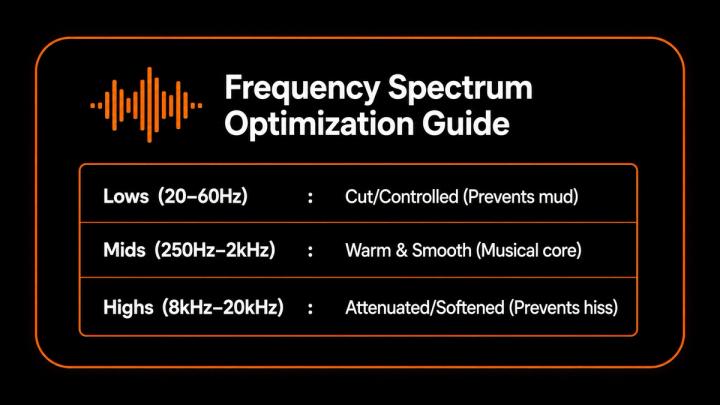
- Controlled frequencies: Softened treble (attenuated above 8kHz) and gentle low-end bass to eliminate listener fatigue over multi-hour playback.
- Copyright safety: 100% royalty-free licensing to guarantee zero Content ID claims or channel demonetization.
- AI-powered discovery: Tools on platforms like VividSound Library that filter music precise to mood, tempo (50–90 BPM), and acoustic energy.
💡 Core Rule for Creators: In ASMR and wellness videos, background music should never demand primary attention. Its sole purpose is to anchor a relaxing environment that allows viewers to unwind, study, or sleep.
🧠 Why Music Matters in ASMR
and Relaxation Content
ASMR (Autonomous Sensory Meridian Response) and relaxation media represent one of the fastest-growing categories across major digital platforms:
- YouTube & YouTube Shorts
- TikTok & Instagram Reels
- Spotify & Apple Music
- Meditation & Mindfulness Apps (Calm, Headspace)
- Spa & Wellness Digital Experiences
Unlike high-energy entertainment content that thrives on sudden pacing changes, relaxation audiences prioritize consistency, audio safety, and sustained immersion.
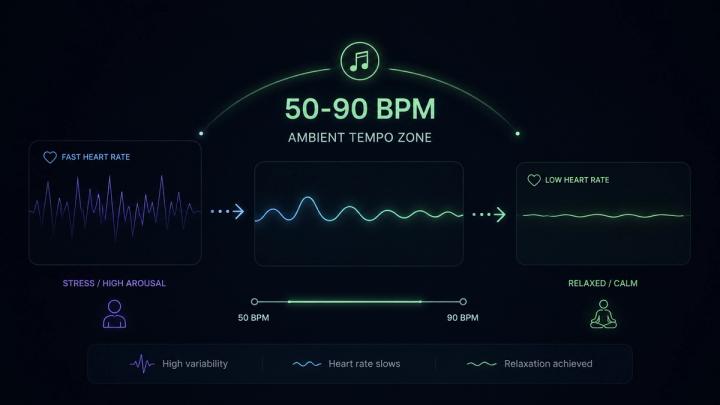
- [Auditory Input: Soft Ambient Music]
- [Autonomic Nervous System Modulation]
- [Heart Rate Slows (50-90 BPM Sync) + Cortisol Drops]
- [Extended Watch Time & Higher Audience Retention]
Research published in journals like Frontiers in Psychology demonstrates that low-tempo, harmonic soundscapes can directly influence autonomic nervous system responses, lowering heart rate and encouraging stress reduction. When creators align their audio with these psychoacoustic principles, viewer watch time and returning audience rates increase naturally.
🌿 1. Understanding the Acoustic Role of Music in ASMR
ASMR relies on highly delicate sensory triggers—whispering, tapping, brushing, and gentle ambient sounds. Background music must complement, not overwrite, these delicate elements.
The Impact of Background Music Choice
- ❌ Incorrect Music Selection: Distracts from micro-triggers, induces high frequencies ("hissing"), creates dynamic volume spikes, and triggers early drop-offs.
- ✅ Optimized Music Selection: Fills awkward silence, enhances spatial depth, reduces anxiety, and encourages hours of uninterrupted playback (ideal for sleep/study streams).
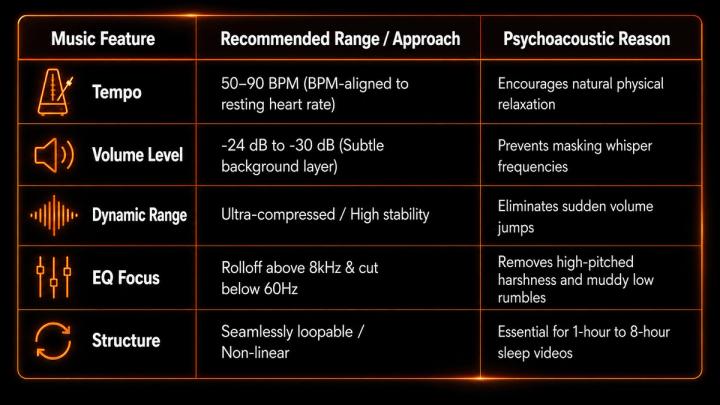
📊 Recommended Audio Profile for ASMR
🎹 2. Best Music Styles for Relaxation and Wellness Content
Selecting the right style depends on the emotional state you intend to evoke.
🌊 01. Ambient & Drone Soundscapes
- Best for: Deep sleep, meditation, and pure ASMR whisper tracks.
- Key Attributes: Continuous sustained pads, minimal harmonic shifts, warm low-mid tones (often tuned around 432Hz or 528Hz harmonic scales).
- Listener Effect: Dissolves visual boundaries, producing an open sense of peace.
🎹 02. Soft Minimalist Piano
- Best for: Study streams, deep focus, and emotional storytelling.
- Key Attributes: Gentle key attacks, felt-piano textures, slow room-reverb tails.
- Listener Effect: Provides a grounded human warmth without interrupting cognitive focus.
🌿 03. Bio-Acoustic & Nature Layered Music
- Best for: Spa, yoga, outdoor relaxation, and stress relief.
- Key Attributes: Soft musical pads blended with gentle rain, ocean swells, or distant forest rustles.
- Listener Effect: Connects the mind with reassuring natural environments.
🎻 04. Cinematic Minimal Strings
- Best for: Vlogs, lifestyle slow-living, and recovery narratives.
- Key Attributes: Warm legato cellos, subtle synth warmth, slowly evolving textures.
- Listener Effect: Evokes subtle emotion without driving unnecessary drama.
🎧 3. Technical Masterclass: Volume, EQ, and Frequency Balance
A track that feels pleasant for 30 seconds can cause intense mental fatigue after 45 minutes if the frequencies are unbalanced.
Frequency Spectrum Optimization Guide
🎛️ Audio Optimization Rules for Creators
- High-Frequency Control: Attenuate high frequencies above 8kHz. Sharp "sibilance" or high-hat clicks destroy ASMR relaxation and disturb sleep.
- Sub-Bass Management: Roll off frequencies below 50Hz to keep subwoofer rumbles from disrupting headphones or small mobile speakers.
- Dynamic Stability: Use subtle audio compression so the quietest and loudest parts stay within a tight 3dB–5dB dynamic range.
- Seamless Looping: Use loopable audio tracks to extend 3-minute compositions into seamless multi-hour background soundscapes without audible cuts.
🤖 4. How AI Music Search on VividSound Library Streamlines Workflow
Searching for hours through generic stock audio libraries for "calming music" often yields tracks with unexpected drum drops or aggressive melodies.
Modern platforms like VividSound Library use AI-powered semantic music search to help creators locate optimal acoustic matches in seconds.
Semantic Search Prompts vs. Generic Keywords
- Generic Search: "relaxing music"
- AI Semantic Prompts on VividSound Library:
- "Soft loopable ambient pad for ASMR whisper video with zero sharp highs"
- "Minimal felt piano 60 BPM warm reverb for study stream"
- "Deep relaxation pad without drums or sudden dynamic changes"
🛡️ Copyright Safety Warning: YouTube and social platforms aggressively scan for copyrighted material. Using unverified "free" relaxation music often leads to delayed Content ID claims that steal your ad revenue. VividSound Library offers 100% commercially cleared, copyright-safe audio licenses designed to protect monetized creators.
🚀 5. Step-by-Step Checklist for Audio Selection
Before publishing your ASMR or relaxation video, run through this final audio checklist:
- BPM Check: Is the tempo locked between 50 and 90 BPM?
- Frequency Softness: Are high frequencies free from sharp "hissing" or harsh clicking?
- Triggers Preserved: Can you hear soft whisper details clearly over the background track?
- Loop Consistency: Is the audio transition invisible when looped over extended playbacks?
- Commercial Rights Clear: Do you hold a full commercial license from a verified platform like VividSound Library?
❓FAQ
Q1. What type of music is best for ASMR videos?
A: Soft ambient pads, minimal felt piano, bio-acoustic soundscapes, and subtle drone textures work best. Avoid heavy drums, sudden key changes, or sharp high frequencies.
Q2. Should ASMR videos always include background music?
A: Not necessarily. While some ASMR audiences prefer pure organic sound (like rain or tapping), background music is highly effective for reducing ambient room noise and comforting first-time listeners.
Q3. Why is 50–90 BPM ideal for relaxation music?
A: A tempo of 50–90 BPM mirrors the resting human heart rate. Listening to rhythm within this range encourages biological entrainment, helping the body relax faster.
Q4. How do I avoid copyright claims on long relaxation streams?
A: Always license music from dedicated platforms like VividSound Library. Stock tracks from unverified platforms often get claimed later by Content ID algorithms, risking your monetization.
Q5. Can AI tools help choose background music for relaxation content?
A: Yes. AI music search tools can analyze mood, intensity, instruments, and frequency spectrums to match audio directly with your video's emotional intention.
✅ Conclusion
The best music for ASMR and relaxation content does not compete for the listener’s attention—it builds a serene, safe auditory atmosphere where viewers can focus, unwind, or fall asleep.
By applying precise frequency management, selecting 50–90 BPM tracks, and leveraging VividSound Library's AI-powered search for commercially secure audio, creators can produce deeply calming, highly engaging content that keeps audiences returning.